Now welcoming tour requestsAges 18 months through Pre-K

What we’re built on

Community.Care.Health.

Mockingbird was built on a simple conviction: the years between 18 months and five years old are not something children merely pass through before Kindergarten begins.

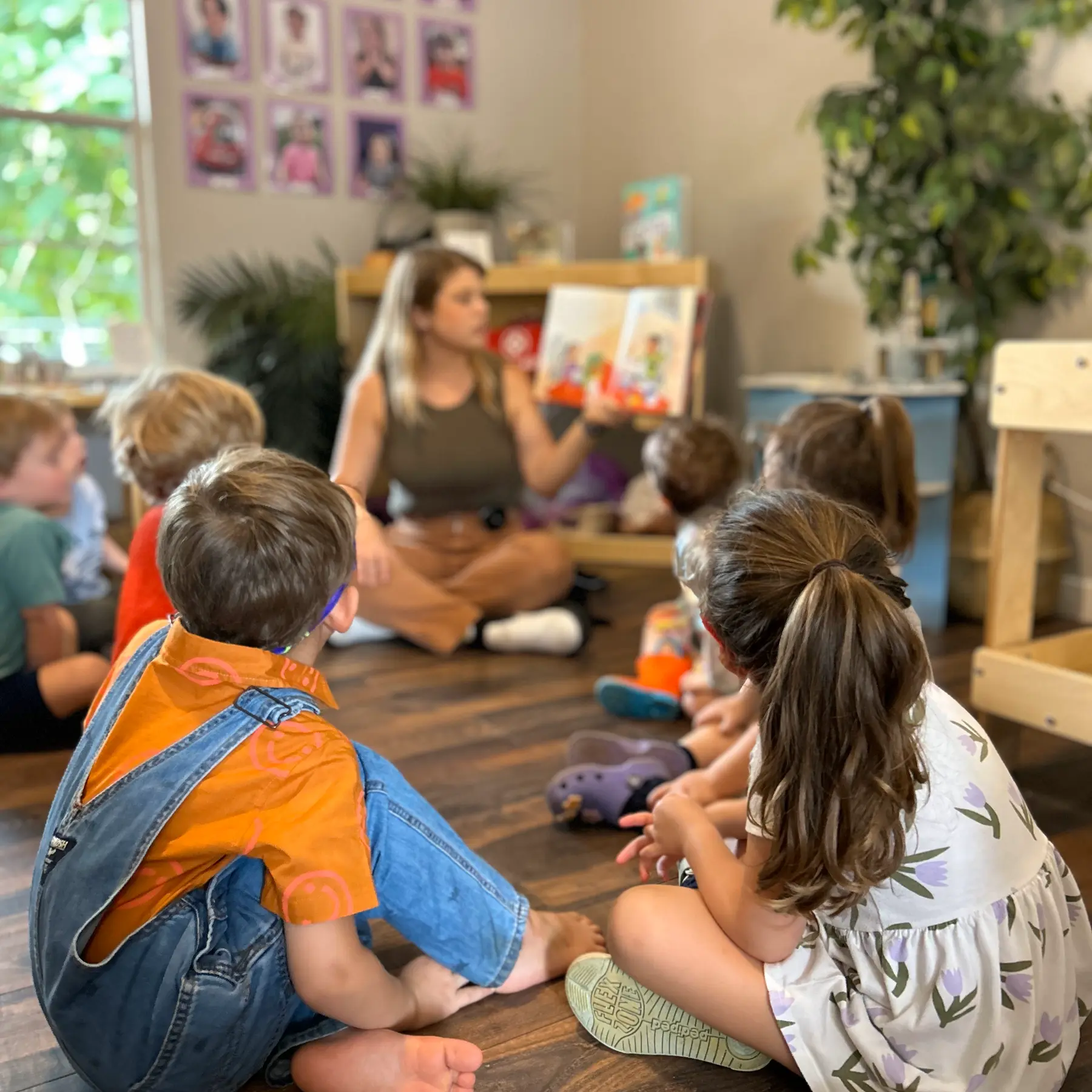
A Mockingbird teacher reading with children gathered closely around her

Why these years matter

Early childhood is not a waiting room for Kindergarten.

These are among the most formative years of a person’s life. During this period, children are building the foundations for how they communicate, form relationships, respond to frustration, approach new challenges, and understand themselves.

What happens now shapes how they experience school—and the world—for years to come. That belief affects every decision we make: who we hire, how many children we place with each teacher, how we approach conflict, what we serve for lunch, how much time children spend outside, and which families and educators will thrive in our community.

Our values are not words displayed on a wall. They are the standards we use to decide how the school should operate.

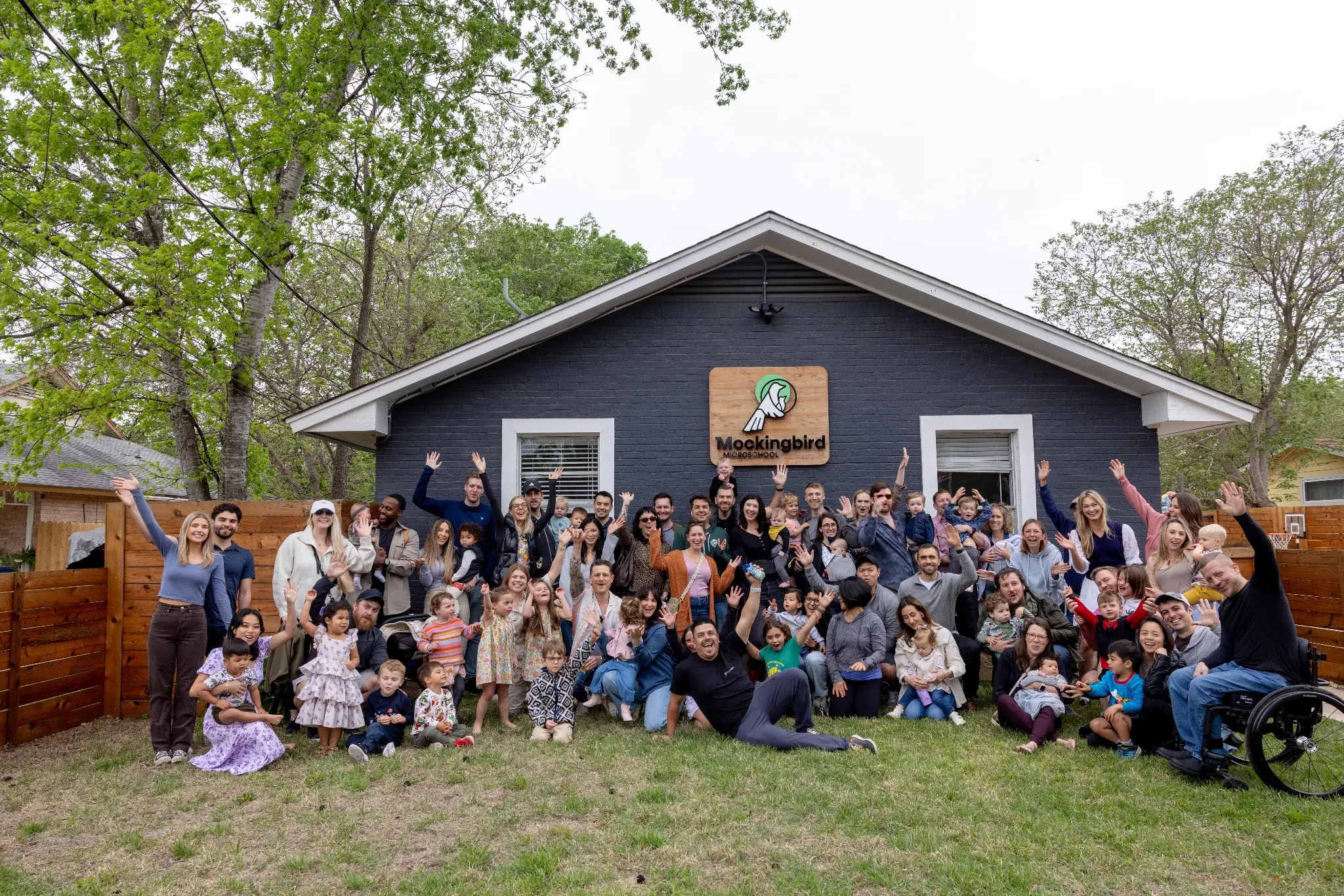
Mockingbird families and educators gathered together outside the school
01 Community in practice

Community

The adults around each child believe these years matter.

Community at Mockingbird means more than knowing one another’s names or gathering for school events.

Community

A shared belief in early childhood

It means that the adults surrounding each child share a genuine respect for the importance of early childhood.

Our teachers, families, and school leadership all deeply revere this stage of human development. From 18 months to five years old, the human brain wires neural pathways that shape a person for life. Attachments, connections, emotional intelligence, conflict resolution, and conflict mitigation are all being wired during this stage. Now that we understand how consequential these years are, parents are asking more of preschool—and Mockingbird is delivering it.

When early childhood is treated primarily as supervision until kindergarten, our decisions may seem excessive. When it is understood as one of the most important developmental periods in a person’s life, our low ratios, selective hiring, teacher investment, and intentional learning environments make sense.

The people who thrive at Mockingbird are deeply invested in this stage of life. They value relationships, communicate openly, and believe that parents and teachers should work toward the same goal: helping each child become secure, capable, thoughtful, and increasingly independent.

We are not the right school for every family or the right workplace for every educator. That is intentional. A strong community depends on people who believe in what they are building together.

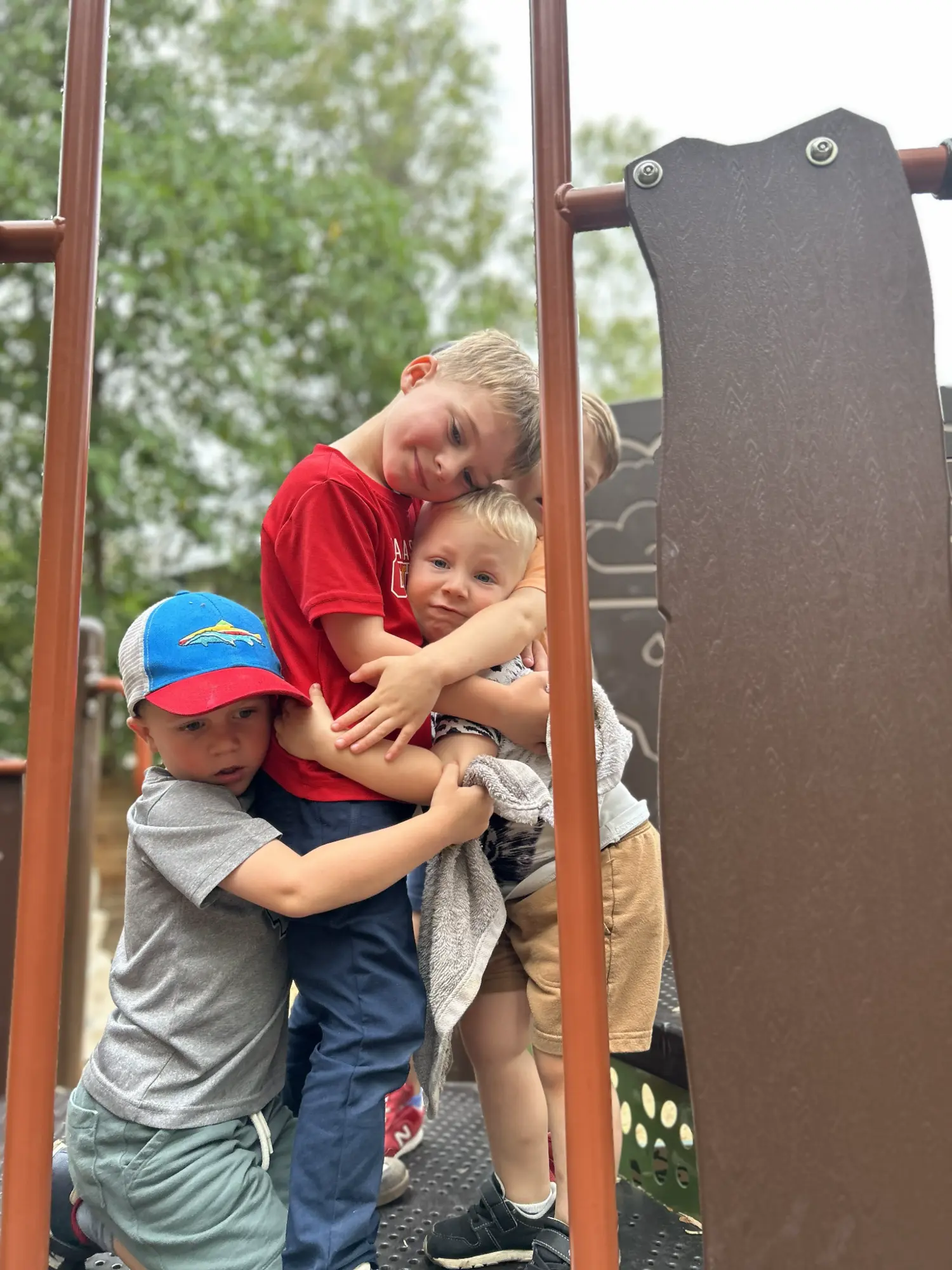
Mockingbird children embracing one another on the playscape
02 Care through continuity

Care

Exceptional care is driven by hiring the best teachers in Austin and keeping them happy.

The greatest thing we can offer a child is not a beautiful building, a curriculum label, or a long list of amenities. It is an exceptional teacher who stays long enough to truly know them.

Care

Care. Delivered

Great teachers matter. Great teachers who stay matter even more.

A school can hire talented educators, but children receive little benefit from that talent if the people caring for them don’t stick around very long. Young children learn through relationships. They need time to build trust, feel secure, and understand that the adults around them will continue to be there.

That is why hiring and retaining excellent teachers is central to how Mockingbird delivers care. We look for educators with the experience, judgment, patience, and emotional maturity required to do this work well. Just as importantly, we work to create an environment where those teachers feel respected, supported, and able to build a lasting career.

Our very low ratios give teachers the space to notice what is happening before a child has to demand their attention. They can recognize subtle changes in mood, follow an emerging interest, help prevent conflicts, and respond thoughtfully when a child needs support.

Over time, teachers learn the difference between a child who is tired, overwhelmed, hungry, hesitant, or simply ready for a new challenge. Children do not have to introduce themselves to a rotating cast of adults or disappear into a crowded classroom.

They are known—not only by name, but over time.

That continuity also strengthens our relationships with families. Parents are able to communicate with teachers who know their child’s history, personality, friendships, struggles, and growth. Instead of starting over repeatedly, families and educators build on a shared understanding.

That is what the highest level of care looks like to us: exceptional people, close attention, and relationships strong enough to last.

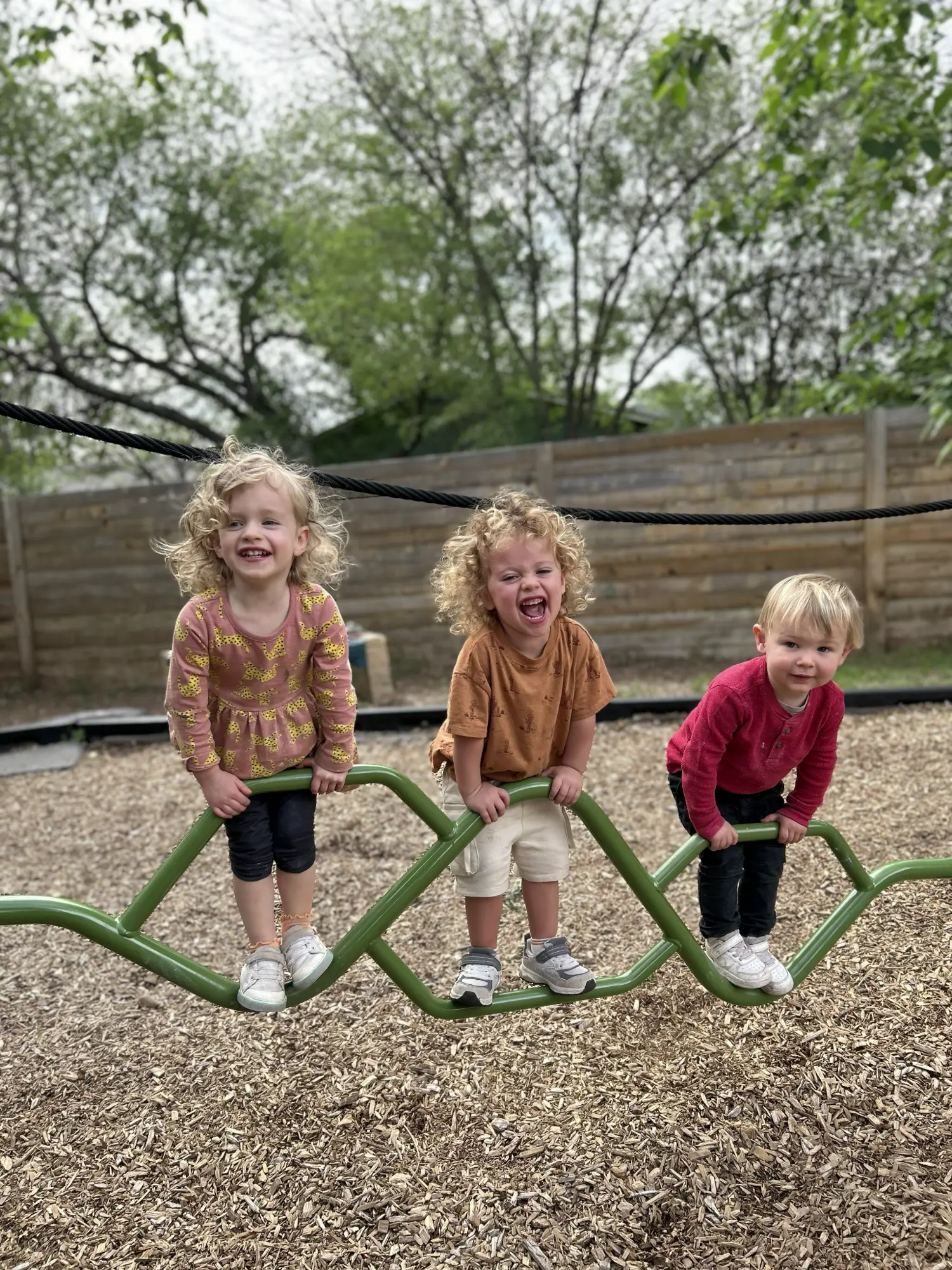
Three smiling Mockingbird children balancing together outdoors
03 Health as a daily practice

Health

Children learn best when their whole selves are supported.

Health at Mockingbird is not one isolated program. It includes emotional health, physical health, and nutrition because each one affects a child’s ability to participate, learn, build relationships, and enjoy the day.

01

Emotional health

Before children enter kindergarten, one of the most valuable things we can help them develop is emotional intelligence.

Emotional health

Building emotional intelligence

Children are learning how to recognize what they feel, communicate what they need, tolerate frustration, resolve conflicts, and recover when something does not go their way. They are also learning how to listen, cooperate, advocate for themselves, and understand another person’s perspective.

Our teachers do not simply react after a conflict becomes overwhelming. Low ratios allow them to notice patterns, anticipate difficult moments, and help children practice the skills that may prevent a conflict from escalating in the first place.

Children learn how to build secure relationships with their peers, their teachers, their families, and other trusted adults. They experience what it feels like to be heard, supported, held accountable, and welcomed back into the group after a difficult moment.

Academic learning matters at Mockingbird, but it is not the center of gravity. Children learn colors, numbers, shapes, early literacy, how to use scissors, and countless other academic and practical skills. But we do not believe memorizing information is the most important preparation for kindergarten.

A child who can communicate, regulate strong emotions, enter a group, solve problems, ask for help, and recover from disappointment possesses tools that will support every kind of learning that follows.

02

Physical health

Young children are meant to move.

Physical health

Movement supports development

They need room to run, climb, balance, carry, dig, build, take appropriate risks, and discover what their bodies can do. Outdoor time is not a reward after learning is finished. It is part of how children develop coordination, confidence, judgment, resilience, and a connection with the natural world.

At Mockingbird, children spend meaningful time outside. They dig in the mud, work in the garden, move their bodies, encounter manageable challenges, and experience the kind of active childhood that cannot be recreated at a desk.

We also protect time for rest, quiet, and recovery. Health is not constant activity. Children need a daily rhythm that respects both their energy and their need to reset.

03

Nutrition

Children’s ability to focus, regulate their moods, participate in the classroom, and enjoy their day is closely connected to how they are fueled.

Nutrition

The gut is our second brain

Our goal is simple: provide nourishing meals that support children’s ability to feel well, focus, play, and learn.

Gluten and sugar greatly affect glycemic load throughout the day, resulting in spikes and crashes that make it hard to work, learn, or focus. Because of this, we never sweeten food with refined sugars, and most of the lunches we serve are gluten-free. We eat real food, organic whenever possible, culminating in a variety of meals that students absolutely love. All Mockingbird students enjoy communal lunches delivered hot and fresh every day, included with tuition.

Food is part of the shared experience of the school day: children sit together, practice independence, try new things, participate in conversation, and learn that caring for their bodies is part of everyday life.

How the values work together

Each value strengthens the others.

Community, care, and health are not separate initiatives.

A community with shared purpose allows parents and educators to work together honestly. Teacher continuity gives children the secure relationships they need to explore and grow. Emotional support, movement, outdoor play, rest, and nutrition give children the foundation they need to participate fully in the day.

Together, they create a school where children are not managed in large groups or pushed through a preset program. They are surrounded by adults who understand how important these years are, know them personally, and make decisions with their long-term development in mind.

What premium means to us

We invest in what children experience every day.

Premium childcare is not a polished lobby, the newest building, or the longest list of features.

  • A child being noticed before they have to fight for attention.
  • A teacher who knows when to step in, when to ask a question, and when to protect the concentration already happening.
  • A family being treated as a partner instead of an account.
  • Nourishing food, meaningful time outside, thoughtful learning environments, exceptionally low ratios, and talented educators who stay.

That is what Mockingbird was built to provide—and what we work every day to protect.

Explore Fit & Tuition